
Speaking Opportunities
Fresh perspectives on leadership, organisations and human–AI collaboration.
The team at HumanCorps can bring the ideas behind our work to your leadership teams, conferences and executive audiences. Drawing on decades of experience working with organisations and senior leaders, Andrew Lopianowski and Mike Pino can explore what it takes to lead, decide and organise in an age of increasing complexity and AI — challenging established thinking and giving audiences practical ideas they can take back into their organisations.
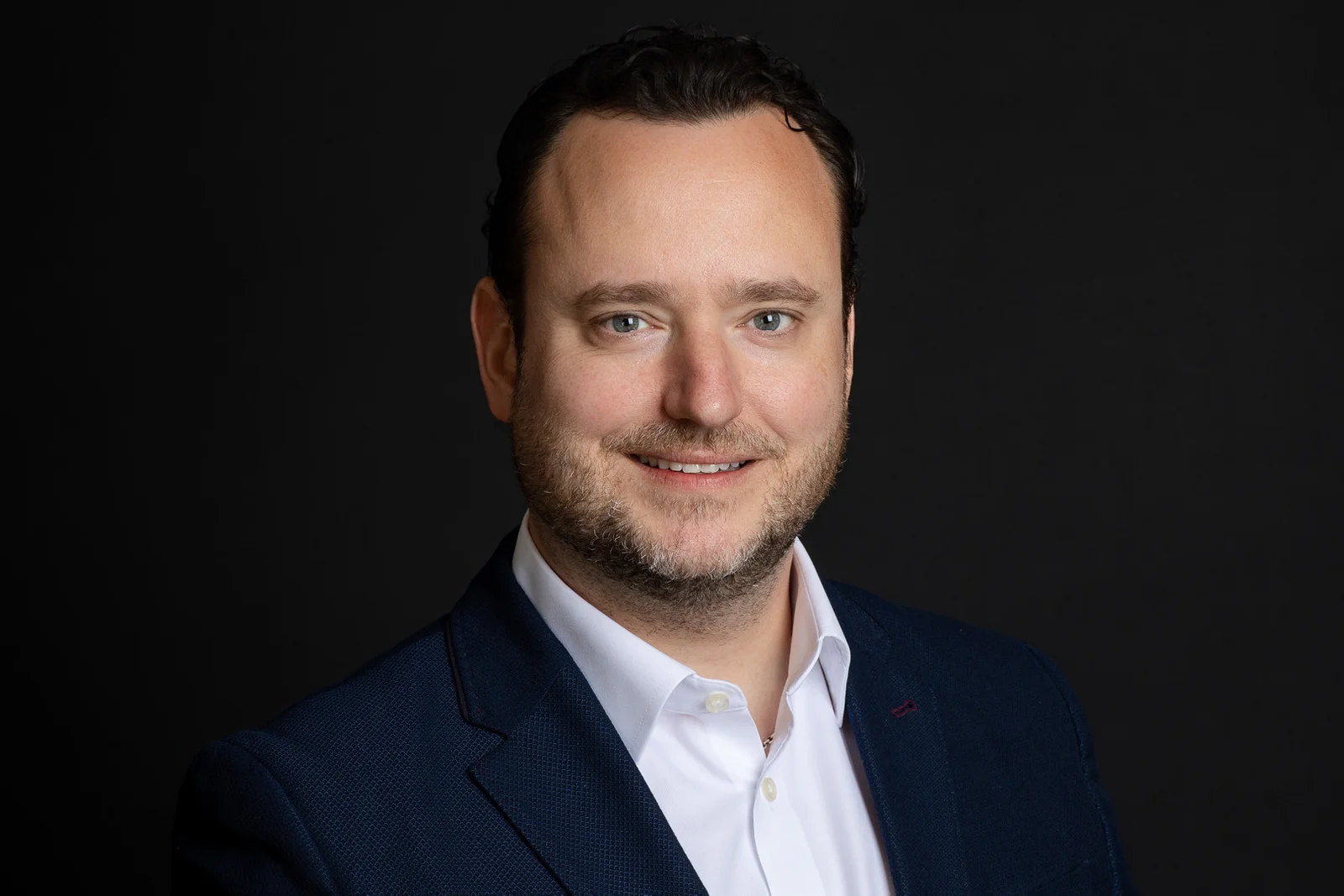
Andrew Lopianowski
Andrew Lopianowski helps executive teams redesign their organisations for the Wisdom Age — anchoring around orientational strategy, executive alignment, leadership impact, and distributed agency. He is co‑author of HumanCorps (Routledge, 2026) and a practitioner-advisor to CEOs and CHROs who want to integrate AI not as a bolt‑on tool, but as a catalyst for sensing earlier, deciding wiser, and acting faster.
His work turns purpose into strategy and operating logic: realigning senior teams, resetting leadership norms, simplifying structures, innovating how work gets done, and placing decision rights where value is created. He previously built and led practices at PwC (UK Head of Assessment, Leadership & Upskilling) and Korn Ferry (UK Transformational Leadership), guiding executive teams through strategy pivots, operating‑model evolution, and culture realignment.
Across two decades, Andrew has facilitated 1,000+ senior leaders, bringing uncommon clarity to top‑team performance, leadership impact, and talent strategy. In HumanCorps, he codifies the model behind this work, including Synthetic Symbiosis — the integration of trusted, role‑specific Synths to reinforce human judgement and accelerate learning loops. His focus is helping organisations escape the over‑complexity and indecision that define modern enterprise life and replace them with a mindset of ownership and agency that are the hallmark of value creation and resulting performance in the Wisdom Age.
Speaking topics
- Why industrial‑era assumptions are breaking
- How over‑complexity, indecision, and dependency are created by system design
- The HumanCorps model for building organisations that sense earlier, decide wiser, and act faster
- What it takes for leaders to create the conditions for agency, ownership, and high performance
- Why AI fails when bolted on to old operating systems
- The shift from tools → co‑agents (role‑specific Synths)
- How Synthetic Symbiosis lifts clarity, speed, and decision quality
- What leaders must do to build trust, governance, and “safe‑to‑act” autonomy
- The psychology and system‑design roots of dependency
- The conditions required for ownership, agency, and distributed decision rights
- The role of clarity, boundaries, and trust
- Case‑based practical actions leaders can implement immediately
- Why most senior teams operate as a federation, not an enterprise system
- The seven components of top‑team performance
- Decision density, alignment, and clarity
- Creating the conditions for a unified orientational strategy
- The CEO’s role in turning a group of leaders into a true enterprise brain
- The evolution from management → leadership → conditions‑creation
- Why identity, judgement, and cognitive range are the new differentiators
- Leadership’s role in shaping environment, context, and guardrails
- How teams respond when leaders shift from authority to agency enablement
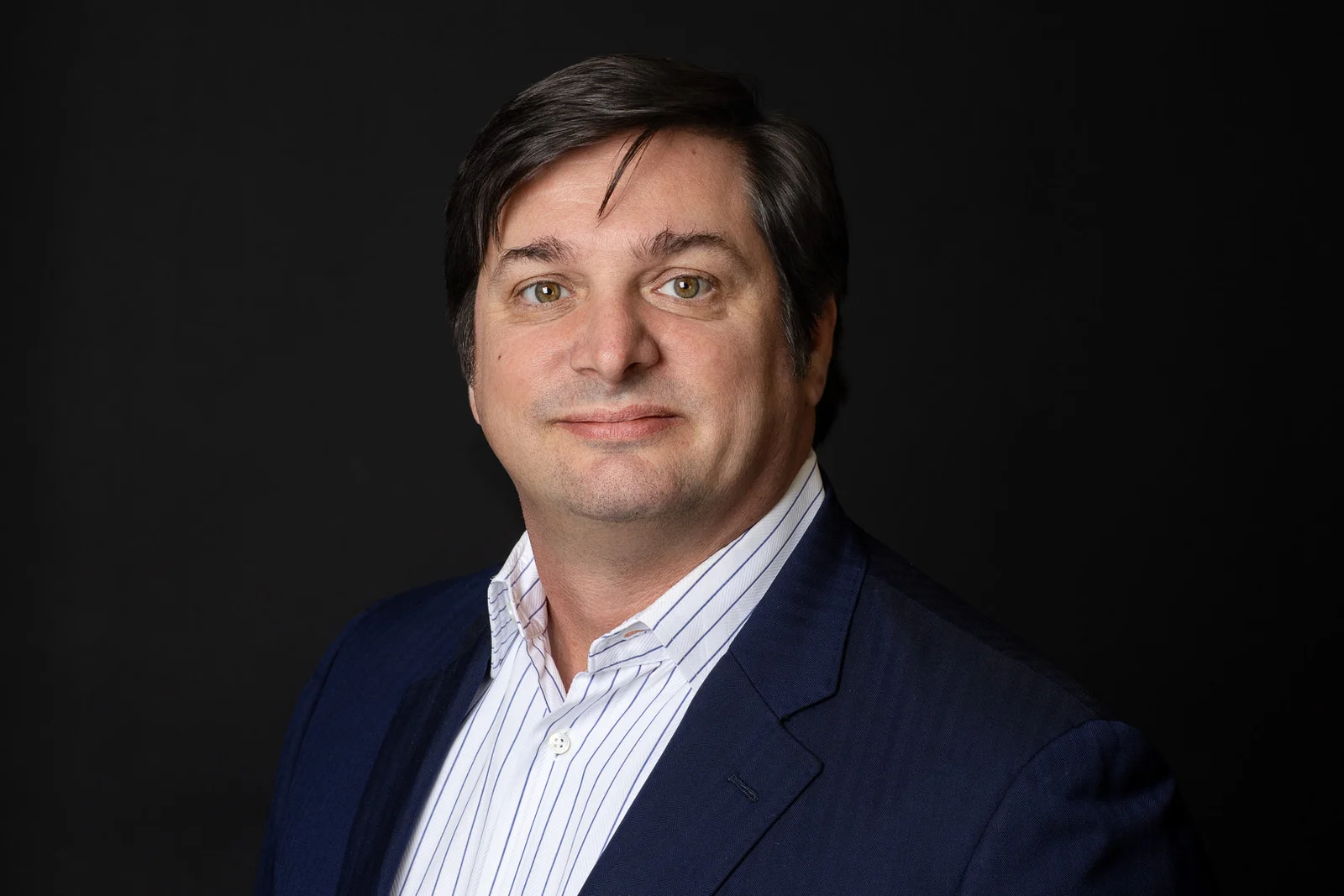
Mike Pino, PhD
Mike Pino designs organisations that think and learn for themselves — linking strategy, technology, and talent so decisions get faster and wiser. He is co‑author of HumanCorps (Routledge, 2026) and an advisor to senior leaders on building synthetic‑enabled operating systems where trusted, role‑specific Synths reinforce human judgement and accelerate learning loops. He has led at scale as a PwC Partner (Future of Work) and as Cognizant Global Learning Leader, where he and his teams delivered award‑winning platforms including PwC’s ProEdge, GE’s BrilliantYOU, and Harvard ManageMentor.
Since 2016 Mike has executed applied AI/ML across decision‑intensive environments — from natural‑language insight to decision support — and contributed patents and standards work across IEEE/AICC/IMS. In HumanCorps, he codifies the model for the Wisdom Age, including Synthetic Symbiosis — human-Synth co‑agency embedded in the flow of work to surface context, anticipate risk, coordinate swarming and flocking, and compound organisational learning. His speaking and advisory focus: decision intelligence, enterprise wisdom systems, and the practical integration of AI so strategy becomes a living practice rather than an annual ritual.
Mike collaborates with executive‑education institutions and publishers, contributes to endorsements and production decisions for HumanCorps, and remains hands‑on with leaders who want to move beyond pilots to trusted, scaled synthetic enablement.
Speaking topics
- Why centralised decision models slow organisations down — and how edge‑based intelligence restores speed and precision
- How information transparency transforms judgement quality across teams
- Creating decision envelopes that give people (and Synths) authority without increasing risk
- How organisations become more adaptive when decision‑making becomes a distributed, learning system
- Why traditional decision models collapse in high‑velocity environments — and what replaces them
- How leaders expand their cognitive range through human–synthetic partnerships
- Creating guardrails that enable teams to act without escalating every decision
- How organisations learn faster when leaders treat uncertainty as an operating condition, not a failure state
- The evolution from performance management → capability architecture → adaptive systems
- Why shared judgement — not individual heroics — is the new competitive advantage
- How leaders shape the invisible architecture: flows, constraints, and sense‑making loops
- What changes in team behaviour when information, authority, and accountability move closer to reality
- The limitations of traditional hierarchy in environments defined by interdependence
- How leaders create the space, boundaries, and rhythms needed for swarming and flocking
- Decision rights, risk boundaries, and the choreography of collective action
- What happens to culture, speed, and resilience when teams own the work rather than escalate